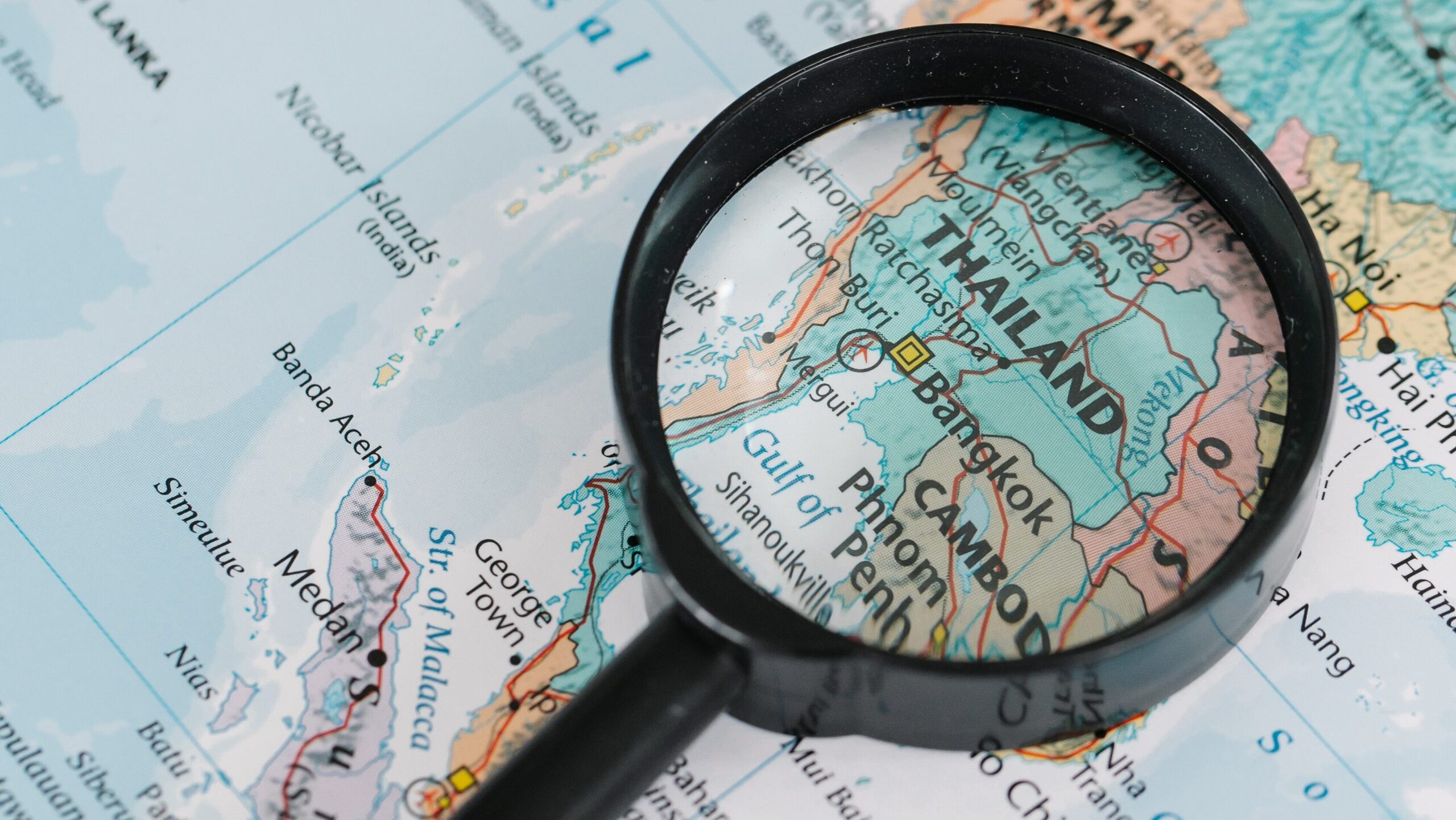
A beautiful and welcoming country that attracts millions of tourists every year. Known for its stunning beaches, rich cultural heritage, and delicious cuisine, Thailand is a must-visit destination for any traveler, beginner or experienced . However, like any foreign country, it’s important to be aware of the local customs and etiquette to ensure a safe and enjoyable trip to Thailand. In this blog post, I’ll be sharing with you five do’s and don’ts when traveling in Thailand.
Do’s
1. Dress appropriatelywhen visiting temples and other religious sites.
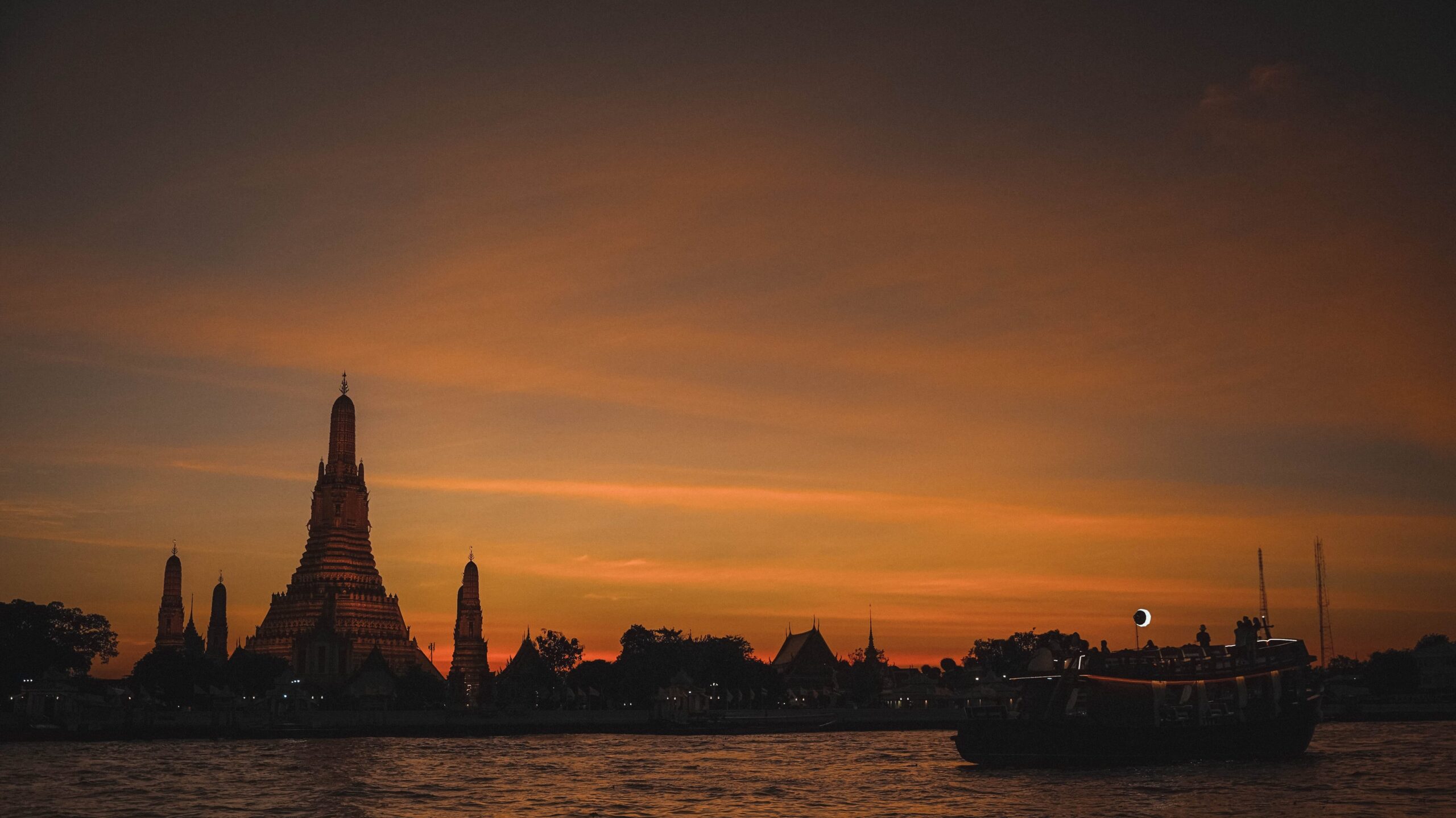
Thailand is a predominantly Buddhist country, and its temples are some of the most beautiful and sacred places in the world. It’s important to show respect for the local customs and traditions by dressing modestly. This means covering your shoulders, wearing pants or long skirts, and removing your shoes when entering a temple. Additionally, it’s important to avoid wearing tight or revealing clothing, as this can be seen as disrespectful.
2. Learn a few basic phrases in Thai.
Thai people are incredibly friendly and welcoming, and showing that you’ve made an effort to learn their language can go a long way. Start with “sawatdee” (hello) and “khap khun” (thank you). In addition, it’s always a good idea to learn a few basic phrases to help you navigate the country, such as “hong nam” (toilet) and “tamai” (why). This will help you communicate better with the locals and show them that you appreciate their culture.
3. Try local (street)food.
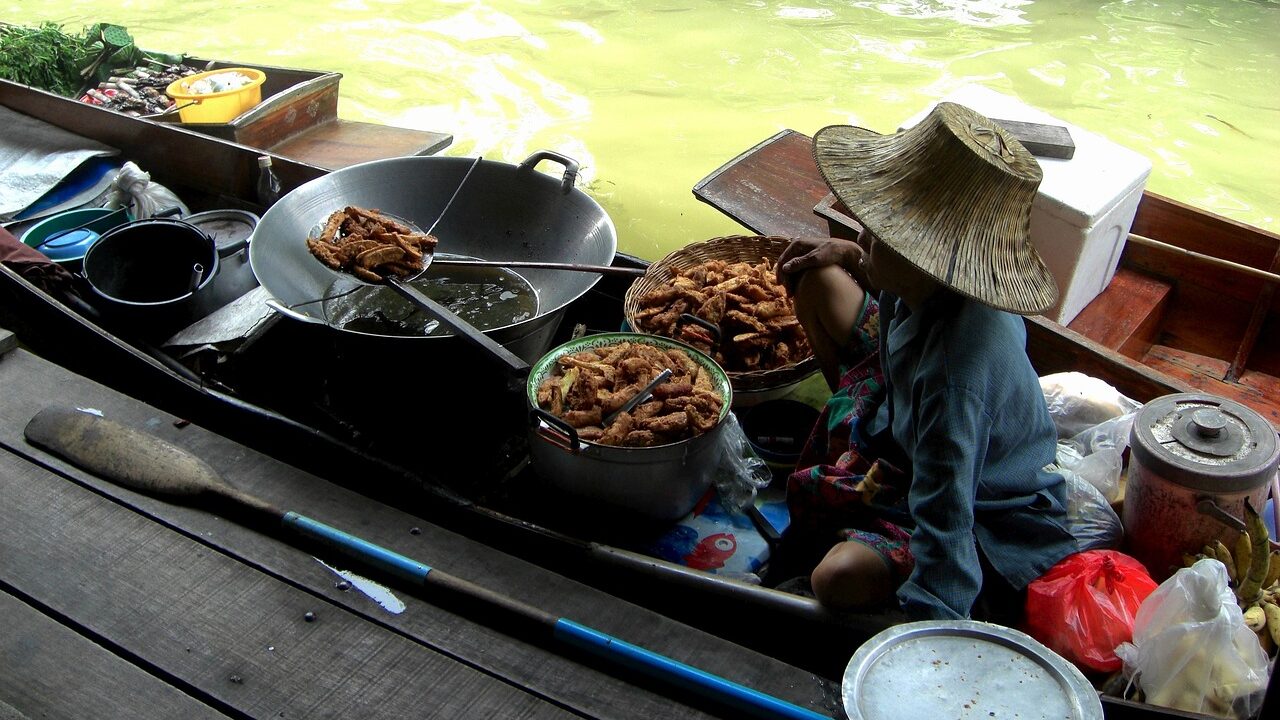
Thailand is famous for its delicious and affordable (street)food, and it’s a great way to experience the local culture. Try some of the local specialties, such as Pad Thai, Tom Yum Goong, and Green Curry. Just be sure to look for stalls with a high turnover of customers, to ensure that the food is fresh and safe to eat. You can also ask the locals for recommendations on the best places to eat. Don’t forget to get some fresh fruits also.
4. Haggle at markets and street stalls.
Haggle at markets and street stalls. Bargaining is a part of the culture in Thailand, and vendors expect it. Just remember to be respectful and don’t haggle too aggressively. Start by offering a price that is lower than the asking price and work your way up from there. It’s always a good idea to have cash on hand, as many street vendors don’t accept credit cards.
5. Respect the monarchy.
The Thai people hold their royal family in high regard, and it’s important to show respect for them at all times. Avoid making any negative comments about the monarchy or the royal family, as it can result in serious consequences. This includes making any disrespectful gestures or comments about the monarchy, as this can lead to arrest and imprisonment. Additionally, be sure to stand still and remain silent when the national anthem is played, as this is a sign of respect for the country and its people.
Don’ts
1. Touch someone’s head.
In Thai culture, the head is considered sacred, and it’s impolite to touch someone’s head without their permission. This includes patting children on the head or ruffling someone’s hair. Touching someone’s head (without permission) is seen as a sign of disrespect. It’s important to keep this in mind when interacting with Thai locals, particularly when taking photographs or greeting people. Instead, try to show respect by placing your hands together in a prayer-like position and bowing slightly.
2. Pointing your feet at people or religious sites.
Feet are considered the lowest part of the body and are therefore seen as impure in Thai culture. Pointing them at someone or a sacred object is considered rude. When sitting on the ground, make sure your feet are tucked underneath you or pointing away from others. Tuck your feet behind you or cross your legs.
3. Litter or pollute.
Thailand is a beautiful country with amazing natural scenery, pristine beaches and forests, and it’s important to keep it that way. Littering or polluting is not only disrespectful but also harmful to the environment. Be sure to dispose of your trash properly, particularly when visiting natural sites such as beaches or forests, and avoid contributing to pollution. This includes not throwing trash on the streets or beaches and not using plastic bags or straws.
4. Overstaying your visa.
Thailand has strict immigration laws. Visa rules in can be complex and confusing, but it’s important to ensure that you comply with them. Overstaying your visa can result in fines, detention, or even deportation. Be sure to check your visa requirements before you arrive. Check the length of your visa and plan your trip accordingly. If you need to extend your stay, make sure to apply for an extension before your current visa expires.
5. Drugs.
Thailand has some of the strictest drug laws in the world, and possession or trafficking of drugs can result in severe penalties, including the death penalty. It’s important to avoid using drugs of any kind, including marijuana, which is still illegal in Thailand, even though it may be legal in your home country. In addition, be sure to avoid people who offer drugs or seem to be involved in drug-related activities, as this can put you at risk of arrest or other legal consequences. It’s not worth risking your life or freedom for a quick high.
Summary
Do’s:
- Dress appropriately when visiting temples and other religious sites.
- Learn a few basic phrases in Thai.
- Try the local street food.
- Haggle at markets and street stalls.
- Respect the monarchy.
Don’ts:
- Touch someone’s head.
- Point your feet at people or religious sites.
- Litter or pollute.
- Overstaying your visa.
- Drugs.
What to do in Thailand
To conclude
Remembering these do’s and don’ts when traveling in Thailand will hopely help you have a safe and enjoyable trip. However, there’s always more to learn about a new destination, and we want to hear from you! Have you traveled to Thailand before? What other tips and tricks do you have for fellow travelers? Share your experiences and insights in the comments, and let’s help each other have the best possible trip to Thailand! Happy travels!