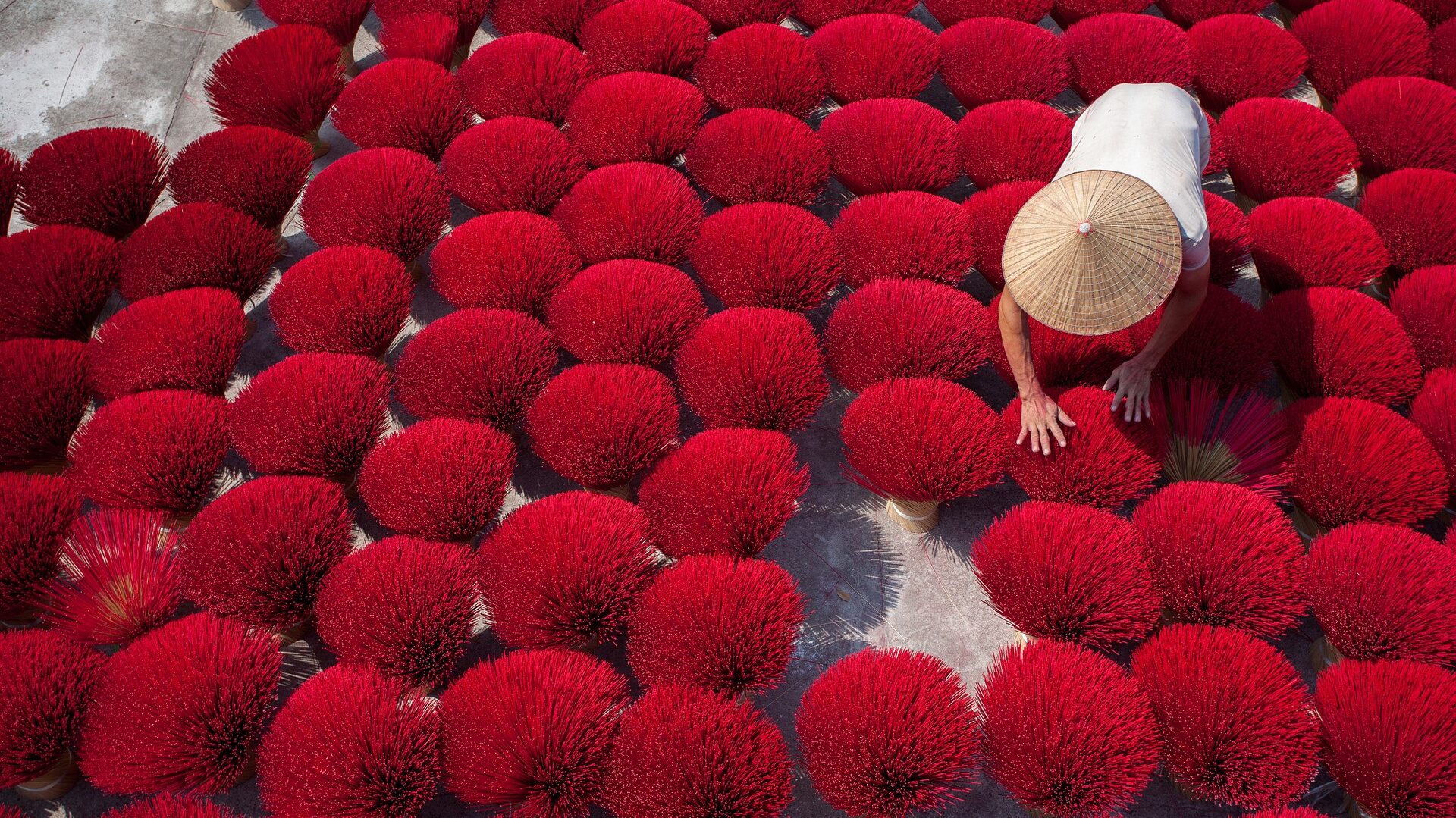
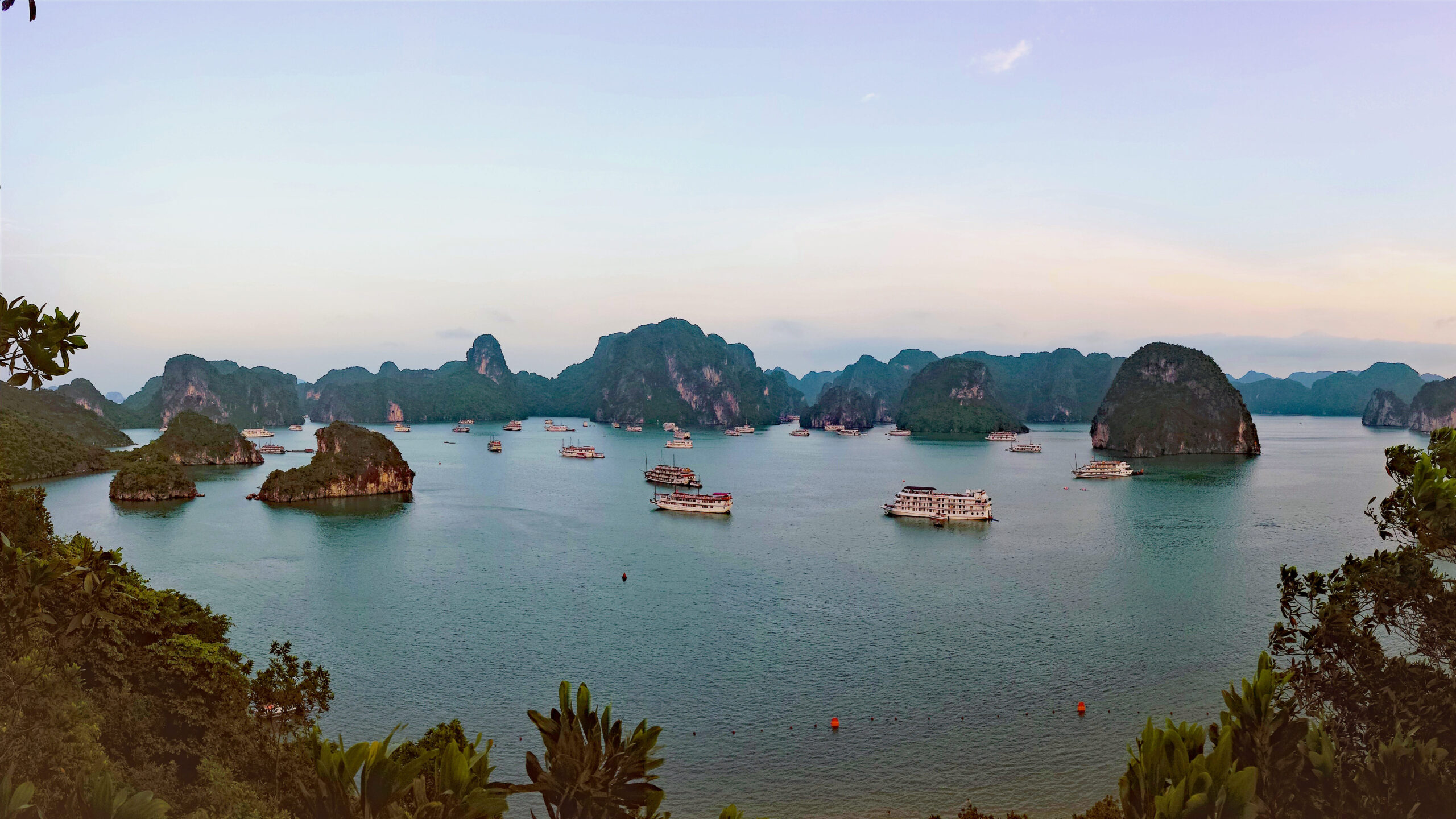
Vietnam is a captivating country that offers travelers an exciting mix of history, culture, and natural beauty. From bustling cities like Hanoi and Ho Chi Minh City to stunning landscapes like Halong Bay and the Mekong Delta, Vietnam has a lot to offer. It’s a place that’s steeped in tradition, yet is also rapidly modernizing. For many travelers, Vietnam is a bucket list destination, but before you pack your bags and head off on your adventure, it’s important to know the do’s and don’ts of traveling in Vietnam. In this blog, we’ll explore five do’s and don’ts when traveling to Vietnam.
Do’s
1. Embrace the local cuisine
Vietnam is famous for its delicious food, it is renowned for its cuisine. From pho to banh mi, and from fresh seafood to street food snacks, the country’s cuisine is both diverse and unique. A perfect blend of flavors, with the use of fresh herbs, spices, and vegetables. From street food to restaurants, the local cuisine is a must-try. You can start your day with a bowl of pho, the country’s famous noodle soup, or try the Vietnamese coffee with condensed milk, which is a unique and delicious experience. For lunch, grab a banh mi, a crispy baguette filled with meat, pickled vegetables, and herbs. And for dinner, head to one of the seafood restaurants, where you can enjoy freshly caught fish and shellfish.
2. Be respectful
The Vietnamese people are known for their kind and welcoming nature, and it’s important to show respect for their culture and customs. Dress modestly, particularly when visiting religious sites, and remove your shoes when entering temples and private homes. Be mindful of your behavior in public. Aavoid public displays of affection, as it’s considered impolite in Vietnamese culture. Additionally, respect the local traditions and customs, such as the Vietnamese New Year, known as Tet, which is the country’s most significant holiday. Learn a few words in Vietnamese, like “xin chao” (hello), and “cam on” (thank you) to help you communicate with the locals.
3. Explore the countryside
While Vietnam’s cities are certainly worth exploring, the countryside is where you’ll find some of the country’s most stunning natural landscapes. Vietnam is home to some of the most beautiful natural landscapes in Southeast Asia. From the beaches of Phu Quoc to the mountains of Sapa. Go trekking, kayaking, or even rock climbing, , there is no shortage of activities to enjoy. Rent a motorbike and ride through the winding roads, stopping in small villages along the way to experience the local way of life. The scenery is breathtaking, and you’ll be able to see a side of Vietnam that many tourists miss.
4. Visit the historical landmarks
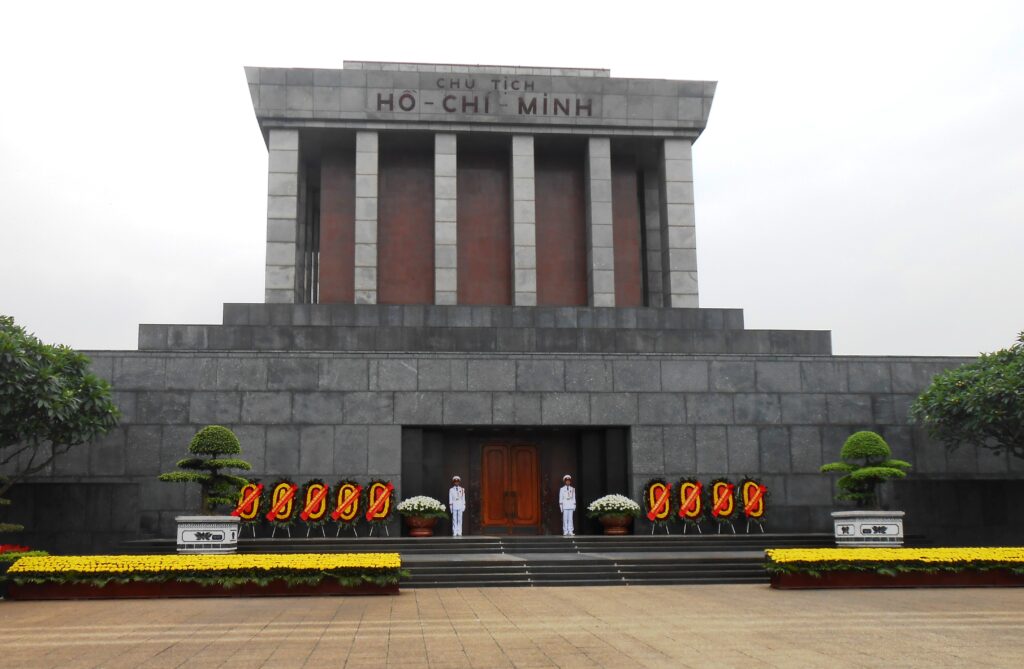
Vietnam has a rich and complex history, and there are many historical landmarks to explore. From the Cu Chi Tunnels to the Imperial Citadel of Thang Long, there are plenty of sites to visit and learn more about Vietnam’s past. Taking a guided tour is often the best way to get the most out of your visit, as you’ll be able to learn from knowledgeable guides who can provide context and background information.
5. Experience the festivals
Vietnam celebrates many festivals throughout the year, and these are great opportunities to experience the local culture. Attend the Tet Lunar New Year, the Mid-Autumn Festival, or the Hue Festival to enjoy traditional food, music, and dance performances. It’s an excellent way to immerse yourself in the local culture and learn more about the traditions and customs of the Vietnamese people. A good time to travel to Vietnam is from November to April (dry season) which some great festivals.
Don’ts
1. Drinking tap water
One of the most important things to remember when traveling to Vietnam is not to drink tap water. Stick to bottled water, and be wary of ice in your drinks, as it may have been made from tap water. This will help to avoid getting sick from waterborne illnesses.
2. Showing off your valuables
As in many countries, displaying expensive jewelry and electronics can attract unwanted attention. Keep your valuables hidden, and be aware of pickpockets in crowded areas. Don’t carry large sums of money with you, and be cautious when using ATMs. Always be mindful of your surroundings. Keep your money, passport, and other important documents in a secure place.
3. Disrespecting national symbols
Be respectful of Vietnam’s national symbols, such as the flag and the emblem. Don’t deface or damage them in any way. It’s also important to respect the local customs and traditions, including the national anthem, which is played daily in public places.
4. Using drugs
Vietnam has strict laws against drugs. Don’t take any unnecessary risks by using drugs, and be wary of anyone who offers them to you. The penalties are very severe and can result in imprisonment.
5. Taking photos of people without permission
It’s important to be respectful of people’s privacy. Always ask for permission before taking a photo, particularly of locals or in sensitive areas like religious sites. Not asking is not only rude but can also lead to uncomfortable situations. Always ask for permission before taking a photo of a person or a group of people.
Summary
Do’s:
- Embrace the local cuisine
- Be respectful
- Explore the countryside
- Visit the historical landmarks
- Experience the festivals
Don’ts
- Drinking tap water.
- Showing off your valuables.
- Disrespecting national symbols.
- Using drugs.
- Taking photos of people without permission.
Discover Vietnam
To conclude
So in short summary Vietnam is a country that offers a unique and unforgettable travel experience. By following these do’s and don’ts, you’ll be able to fully immerse yourself in the local culture and make the most of your trip. Remember to show respect for the local customs and traditions, try the delicious cuisine, explore the countryside, learn about Vietnam’s history, and take in the stunning natural beauty of the country. By doing so, you’ll be able to create memories that will last a lifetime and leave with a deep appreciation for this incredible country.
These five do’s and don’ts are a great starting point for anyone planning a trip to Vietnam. However, every traveler’s experience is unique, and there may be other tips and tricks that you’ve discovered along the way. If you have any additional suggestions or stories to share, please leave them in the comments! Traveling is all about learning from each other and sharing our experiences, so let’s continue the conversation and help each other have the best trip possible. Safe travels!